
That Man on the Radio: Neelesh Misra's Yaad Sheher
Anshika Dixit | Feb 13, 2026, 20:46 IST
Radio storytelling found a new life with Neelesh Misra's shows. Listeners discovered soothing voices and relatable stories, creating a shared experience. This brought back the charm of radio, connecting people across India. The magic of listening without screens continues to resonate, reminding us of a time when stories painted their own pictures in our minds.

World Radio Day: Neelesh Misra
Listener’s Diary is a space for shared memories — of radio , stories, and the stories that stayed with us. This first part has been written by Anshika Dixit, and many more listener stories are welcome. You are invited to send your own memories and experiences — they may become part of the next chapter. Send us at connect@gaonconnection.com
This is how most of us can describe our finding of our favourite storyteller on the radio. We all randomly landed up on a side of the radio where stories from the Yaad Sheher were being told in a voice so soothing that it held us forever. On drives back from work, while trying to fall asleep, on post-dinner walks or just a lonely night — one of these times or instances brought us all to Yaad Sheher and connected us to Neelesh Misra. That one accidental turn of the dial, that one pause before changing the station — and life quietly changed for so many of us.
When Radio Was a Member of the Family
It wouldn’t have been possible if radio wasn’t a huge part of India’s everyday life back then. We’re talking about a time when all homes still had a radio and it was actually used. It sat in the living room like a family member — sometimes covered with a crocheted cloth, sometimes placed near the window, sometimes right next to the kitchen so music could travel with the smell of tadka. Televisions had become important, yes, but radio had still not lost its charm. In the 2010s and the years later, if one had a car, radio was the only source of entertainment during long drives and the even longer traffic jams. Between red lights and flyovers, voices and songs became companions.
India's relationship with the radio
It was also the radio where India’s youth, years later, listened to romantic songs and imagined a love story like the films. Kids these days won’t even believe there was a time when songs were only heard on the radio or once in a week on Chitrahaar and the lyrics were to be noted down in your diary so you could later sing them to your beloved from a PCO or a landline — if you were lucky enough to have one. You would wait with a pen ready — “shhh, shuru ho gaya!” — and scribble fast before the next line slipped away. Those lyrics weren’t a simple Google search away back then. Memory was manual. Love was rehearsed. Waiting was normal.
Time passed and radio slowly lost its charm to the newly coming TV shows and fairly so. Television had a visual engagement, after all. You could see things and watch everything you wanted and that too, on repeat telecasts. Television had more stories to tell and thus a wider market. Radio slowly grew limited to cars and keypad phones and mostly just for songs and advertisements. It felt like sound had been pushed to the background of a screen-hungry world.
The Storytelling Revolution on Indian Radio
But that was to change sooner than anyone expected.
Somewhere in Mumbai a lyricist who had been a writer and journalist for a long time was planning to change India’s radio world. A new show, a new idea — but the old feeling was on its way back. A show of stories of nostalgia and of shared experiences for all Indians at once. Stories where nothing “big” happened — and yet everything happened. Love, loss, letters, small towns, tea stalls, railway platforms, unsent messages, unfinished conversations.
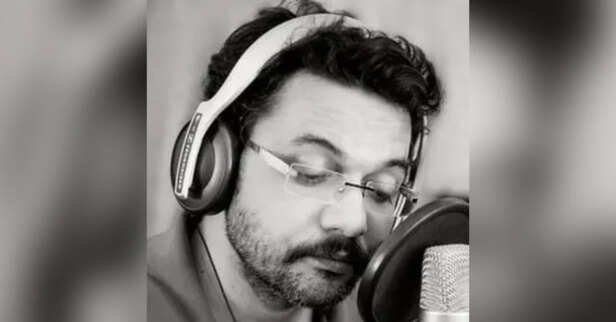
Neelesh Misra's Yaadon Ka Idiot Box
“Baat Be Baat Pe…” — The Line Everyone Remembers
And then it would begin — that familiar opening that listeners can still recite by heart even today — “Baat be baat pe apni hi baat kehta hai… mere andar mera chhota sa sheher rehta hai…” — spoken in the unmistakable voice of Neelesh Misra.
For many of us, that line was not just an introduction — it was a doorway. The noise of the day stayed outside, and a small, breathing, feeling town opened inside our minds. Some would close their eyes immediately. Some would increase the volume slightly. Some would say, “Shhh, shuru ho gaya” again like old days. And just like that, for the next few minutes, nothing else mattered.
Stories That Felt Personal to Millions
Nobody knew the man behind this voice and yet there was a personal connection each time they heard him. The stories of love, of relationships and the small moments of life that we normally ignore slowly became a huge part of our lives. People found peace in them. The ones who found it difficult falling asleep, found their calm here. The ones facing hardships in life found solace in the simple joys the stories talked about. Many listeners say even today — “it felt like he was telling my story,” or “it felt like someone understood without me explaining.”
Relationships became stronger, friends came together, hostelers and students away from home found a home away from their own. Many cities had the same scene at the same time — someone lying on the bed staring at the ceiling fan, someone sitting by a window in a paying guest room, someone driving through an empty late-night road — all listening to the same story, at the same moment. The world slowly shifted a little. Only enough for people to be happier — and calmer — human beings.
From Radio to Digital — The Story Continued
The storytelling journey did not stop there. New radio and audio formats followed, including The Neelesh Misra Show on Red FM, and later long-form audio series like Kahaani Express across digital streaming platforms such as Spotify and JioSaavn — but the essence remained the same: a voice, a pause, a feeling, a mirror held gently to everyday life.
Live shows happened, auditoriums filled, people laughed and cried together listening to stories being performed on stage with music. Books came. Recordings came. Digital platforms came. But the storyteller remained the same and still is — a storyteller at heart first. Journalist, lyricist, entrepreneur — yes — but above all, a narrator of human emotions.
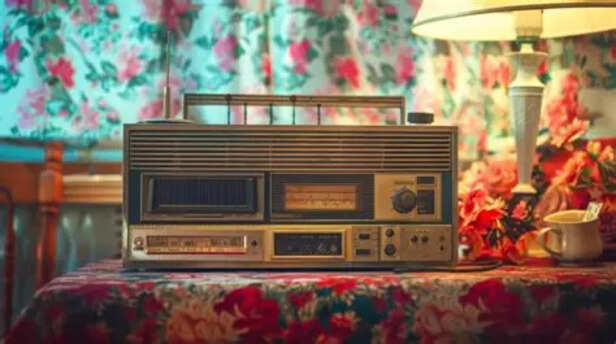
Let's remember our radio days
And what made it possible was just this radio. The radio that gave the storyteller his listeners — and the listeners a storyteller they would never let go of. Even today, when everything is on-demand and on-screen, that memory remains — of turning a dial, finding a voice, and feeling less alone.
On World Radio Day, maybe it’s worth asking softly — when was the last time you listened, without looking at a screen, and let a story paint its own pictures in your mind?