The world, once again, feels uneasy.
In April 2026, headlines are filled with images of conflict — escalating tensions, airstrikes, ceasefire violations, and the familiar language of war returning to everyday conversation. From Eastern Europe to the Middle East, and closer home in South Asia, the idea of peace feels fragile, almost temporary. And in moments like these, memory travels back.
Back to 1999. Back to the mountains of Kargil and long before storytelling became synonymous with his voice, Neelesh Misra was a young reporter on the ground, covering the Kargil War for the Associated Press. He spent nearly two months moving through Kargil, Drass and Mushkoh Valley — landscapes that were as breathtaking as they were brutal.
“We, young reporters given access to a conflict zone for the first time, roamed the Himalayan countryside, ducked Pakistani artillery shells… and learned one thing: war is futile.” It is a line that stays. Because it comes not from distance, but from experience.
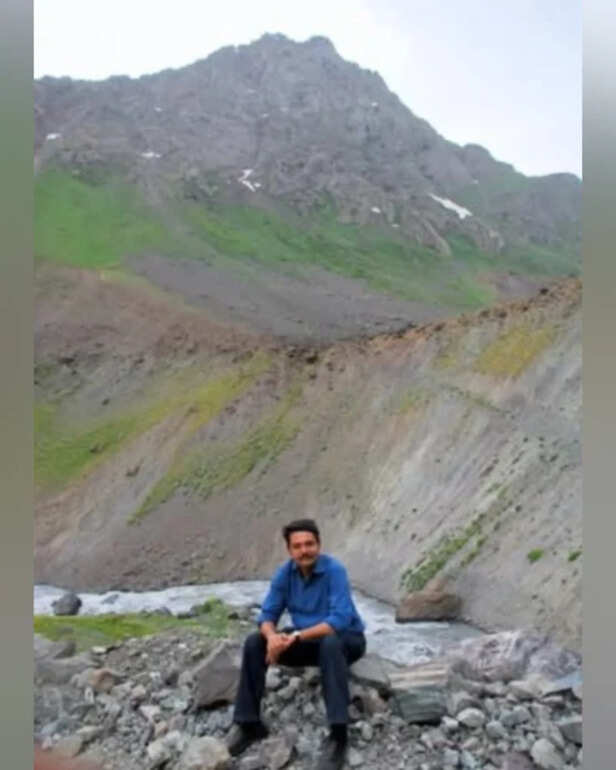
![Neelesh Misra when he revisited Kargil]()
Neelesh Misra when he revisited Kargil
At 26, Misra witnessed a war that was described even then as “impossible” — fought on unforgiving terrain, at impossible heights, where oxygen was thin and survival itself was uncertain. He saw soldiers climb mountains under fire, often without adequate equipment, driven by a sense of duty that civilians rarely fully understand.
“We escaped direct shelling a few times, and thought we were heroes. But soldiers did it every day — often at the cost of their lives.” There is no glorification in his memory. Only clarity. The war ended. Dates were marked. Headlines moved on. But for those who were there, something stayed behind. Misra was among the last journalists to leave the battlefield, along with photojournalist Arko Datta. What they carried back was not just reportage, but perspective.
“Covering the Kargil war… transformed me as a person. It taught me empathy, respect for the forces, and how to survive emotionally and physically difficult circumstances.” Years later, as the world once again circles familiar patterns of conflict, those lessons feel urgent. Because wars, despite their narratives, are rarely started by those who fight them.
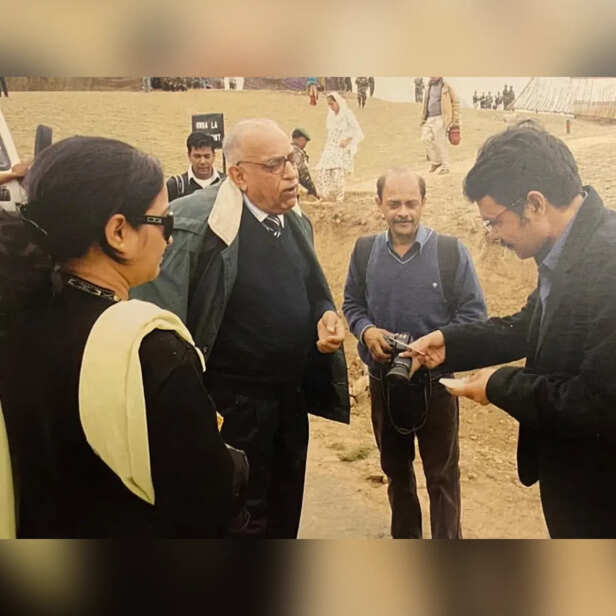
![Misra with Col. V N Thapar, father of the late Capt. Vijayant Thapar, and the colonels wife Mrs. Tripta Thapar]()
Misra with Col. V N Thapar, father of the late Capt. Vijayant Thapar, and the colonels wife Mrs. Tripta Thapar
Kargil. When a few of us journalists who covered the war were invited back. Here I am with Col. V N Thapar, father of the late Capt. Vijayant Thapar, and the colonel’s wife Mrs. Tripta Thapar. In the centre is my friend Ajmal Jami, one of India’s best news camerapersons.
“Soldiers don’t start wars. Soldiers… risk their lives in wars created by politicians. Soldiers show extraordinary courage. But wars are futile.” That sentence, perhaps, is the simplest truth.
In 2026, as screens fill up again with visuals of destruction and diplomacy struggles to keep pace, it becomes important to remember what lies beneath the noise — the human cost, the unfinished stories, the lives altered quietly. The mountains of Kargil are silent today. But the echoes remain. And maybe, in listening to those who have seen war up close, we are reminded of something essential — not just about conflict, but about the value of peace. The world, once again, feels uneasy.
In April 2026, headlines are filled with images of conflict — escalating tensions, airstrikes, ceasefire violations, and the familiar language of war returning to everyday conversation. From Eastern Europe to the Middle East, and closer home in South Asia, the idea of peace feels fragile, almost temporary. And in moments like these, memory travels back.
Back to 1999. Back to the mountains of Kargil. Long before storytelling became synonymous with his voice, Neelesh Misra was a young reporter on the ground, covering the Kargil War for the Associated Press. He spent nearly two months moving through Kargil, Drass and Mushkoh Valley — landscapes that were as breathtaking as they were brutal.
“We, young reporters given access to a conflict zone for the first time, roamed the Himalayan countryside, ducked Pakistani artillery shells… and learned one thing: war is futile.” It is a line that stays. Because it comes not from distance, but from experience. At 26, Misra witnessed a war that was described even then as “impossible” — fought on unforgiving terrain, at impossible heights, where oxygen was thin and survival itself was uncertain. He saw soldiers climb mountains under fire, often without adequate equipment, driven by a sense of duty that civilians rarely fully understand.
“We escaped direct shelling a few times, and thought we were heroes. But soldiers did it every day — often at the cost of their lives.” There is no glorification in his memory. Only clarity. The war ended. Dates were marked. Headlines moved on. But for those who were there, something stayed behind. Misra was among the last journalists to leave the battlefield, along with photojournalist Arko Datta. What they carried back was not just reportage, but perspective.
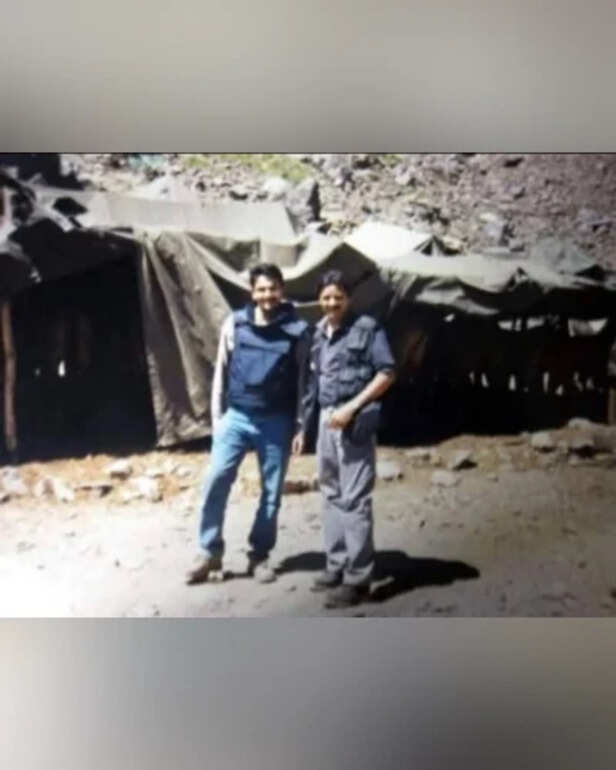
![Neelesh Misra in a bulletproof jacket]()
Neelesh Misra in a bulletproof jacket
"Fifteen years ago when we were younger, a war ended today in the Kargil region. We, young reporters given access to a conflict zone for the first time, roamed the Himalayan countryside, ducked Pakistani artillery shells, made lasting friendships and learned one thing: War is Futile. The photo shows me and longtime conflict zone companion Sankarshan Thakur of The Telegraph (picture courtsey his blog). I was with the Associated Press and we mandatorily wore bulletproof vests at all times. Remembering my wartime colleagues Hema Easley Barkha Dutt Prabhat Shunglu Sankarshan Thakur Ajmal Jami Krishnan Guruswamy Sherwin Crasto Arko Datta Radhika Bordia"
“Covering the Kargil war… transformed me as a person. It taught me empathy, respect for the forces, and how to survive emotionally and physically difficult circumstances.” Years later, as the world once again circles familiar patterns of conflict, those lessons feel urgent. Because wars, despite their narratives, are rarely started by those who fight them.
“Soldiers don’t start wars. Soldiers… risk their lives in wars created by politicians. Soldiers show extraordinary courage. But wars are futile.” That sentence, perhaps, is the simplest truth.
In 2026, as screens fill up again with visuals of destruction and diplomacy struggles to keep pace, it becomes important to remember what lies beneath the noise — the human cost, the unfinished stories, the lives altered quietly.
The mountains of Kargil are silent today. But the echoes remain. And maybe, in listening to those who have seen war up close, we are reminded of something essential — not just about conflict, but about the value of peace.