
Six Efficient Ways To Stay Concentrated At All Times
Anshika Dixit | NM Digital | Feb 11, 2026, 16:46 IST
Feeling distracted is something we all experience from time to time. In this insightful piece, we explore six science-backed techniques to help you reclaim your focus. By embracing practices like single-tasking and stepping outside for a breath of fresh air, you'll see improvements in your ability to concentrate.

Stay Concentrated
You sit down on your desk to write or study or simply read a book but your mind starts wandering. A message pings and your phone screen lights up. You pick it up, open a tab and recall something else you had to check on your phone. Five minutes later, you’re somewhere else entirely. You have forgotten what you picked up the phone for!
Some days, even five minutes of focus feels like luxury.
![Sometimes staying focused is tough for everyone]() I’ve felt that too. And then I realised something: focus isn’t always a matter of willpower. Sometimes, it’s simply about how gentle— or how loud —we let our environment be.
I’ve felt that too. And then I realised something: focus isn’t always a matter of willpower. Sometimes, it’s simply about how gentle— or how loud —we let our environment be.
There’s growing evidence that when we slow down, respect the rhythms of our attention and give ourselves space, we can get back focus, not just for a moment, but in a steady, lasting way.
Here are six gentle, research-backed ways to rediscover your attention slowly, kindly and intentionally.
1. Choose one task at a time. Because the brain hates juggling!
You might think doing many things at once makes you more efficient and that multitasking is the key to looking busy and thus being more productive!
But research from Stanford University (Ophir, Nass & Wagner, 2009) suggests otherwise. In a study comparing “heavy media-multitaskers” (people who often consume multiple media streams together) with “light” ones, the heavy multitaskers performed worse on tasks requiringconcentration , memory and filtering out distractions .
![Focusing on one task at a time is the solution!]() In simple terms: the more you treat attention like a buffet, the more scattered you become.
In simple terms: the more you treat attention like a buffet, the more scattered you become.
What to do instead: pick a single task. Close everything else — tabs, apps and notifications. Let your mind stay with what matters for a short stretch. Your homework, an assignment, something creative or even your dinner plate!
It could be anything important that needs attention at the moment. Just focus on it completely and see how it becomes a habit.
2. Work in gentle intervals — don’t demand marathon sessions
Our minds weren’t built for relentless drag — they need rhythm. Several subsequent analyses and studies suggest that repeatedly switching between tasks or working too long without rest harms attention and reduces productivity. (Read here)
![Taking short breaks from work]() The solution?
The solution?
3. Step outside (or just look atgreenery ) — Nature resets your brain
Have you noticed how some breeze, a plant, or even a window with a tree view calms you down instantly— not just emotionally, but mentally too? Science supports it. A systematic review (2018) summarised dozens of studies on how exposure to natural environments — real or even simulated — helps restore working memory, attentional control, and cognitive flexibility.
One experimental study even had participants do a mentally tiring task, then sit and look at nature images — their memory and attention scores improved compared with those who viewed urban scenes or nothing at all.
![Sitting in greenery]() What to do:
What to do:
4. Breathe. Pause. Notice. —Mindfulness isn’t just a buzzword
You don’t need long meditation retreats. Even a few conscious breaths can anchor your mind. Studies consistently show that mindfulness practices — even short daily practices — improve attention span, working memory, and overall mental clarity.
![Meditation]() What to do:
What to do:
5. Declutter your space — sometimes inner chaos starts with outer clutter
A messy desk, multiple open tabs, notifications blinking — it’s all visual noise that competes for attention. Just like crowding your schedule, crowding your workspace scatters your mind.
When you clear physical distractions, your brain gets breathing room. No formal study needed — just try it. A clearer environment often means a clearer mind.
![Clearing your space]() What to do:
What to do:
6. Reward yourself. Build little rituals.
When we were kids, finishing homework meant outdoor play, or a snack, or roaming around. Simple. Immediate. Pleasant.
As adults, we forgot to celebrate small victories. But our brain still responds to anticipation and small rewards. Recent behavioural-cognitive work shows that structuring tasks with short breaks or small rewards boosts motivation and helps memory. (Directory of Open Access Journals)
![The happiness upon finishing a task is unmatched]() What to do:
What to do:
And then one day soon, you sit down again. Same desk. Same chair. The light is softer this time—late afternoon, maybe. The phone is still there, but it doesn’t glow immediately because you turned it silent. A plant catches your eye. A glass of water waits nearby. You open the book or the document or your notebook and start working
Your mind wanders for a second—of course it does. But instead of chasing it, you pause. You breathe. And you come back.
Five minutes pass. Then ten. And slowly something shifts. Not dramatically. Not loudly. Just enough for you to notice that you’re still here. With the sentence. With the thought. With yourself.
Focus, you realise, isn’t about winning against distraction. It’s about building small moments of presence—again and again—until they start trusting you back.
And maybe that’s all we need on most days: a little quiet, a little kindness, and the patience to sit long enough for our attention to return home.
Some days, even five minutes of focus feels like luxury.

Sometimes staying focused is tough for everyone
There’s growing evidence that when we slow down, respect the rhythms of our attention and give ourselves space, we can get back focus, not just for a moment, but in a steady, lasting way.
Here are six gentle, research-backed ways to rediscover your attention slowly, kindly and intentionally.
1. Choose one task at a time. Because the brain hates juggling!
You might think doing many things at once makes you more efficient and that multitasking is the key to looking busy and thus being more productive!
But research from Stanford University (Ophir, Nass & Wagner, 2009) suggests otherwise. In a study comparing “heavy media-multitaskers” (people who often consume multiple media streams together) with “light” ones, the heavy multitaskers performed worse on tasks requiring

Focusing on one task at a time is the solution!
What to do instead: pick a single task. Close everything else — tabs, apps and notifications. Let your mind stay with what matters for a short stretch. Your homework, an assignment, something creative or even your dinner plate!
It could be anything important that needs attention at the moment. Just focus on it completely and see how it becomes a habit.
2. Work in gentle intervals — don’t demand marathon sessions
Our minds weren’t built for relentless drag — they need rhythm. Several subsequent analyses and studies suggest that repeatedly switching between tasks or working too long without rest harms attention and reduces productivity. (Read here)
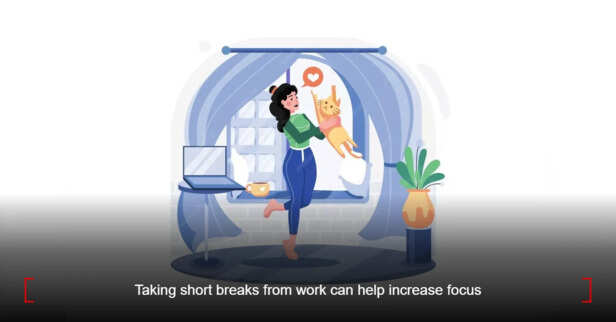
Taking short breaks from work
- Work for 25–45 minutes religiously. Don’t think of anything else for that short span of time. The brain is able to delay thoughts for later when it is made to believe it’ll get time to think later.
- Then take a 5–10 minute break. This is the time for your brain to think, to rewire, to understand what it wanted to do when you were getting distracted.
3. Step outside (or just look at
Have you noticed how some breeze, a plant, or even a window with a tree view calms you down instantly— not just emotionally, but mentally too? Science supports it. A systematic review (2018) summarised dozens of studies on how exposure to natural environments — real or even simulated — helps restore working memory, attentional control, and cognitive flexibility.
One experimental study even had participants do a mentally tiring task, then sit and look at nature images — their memory and attention scores improved compared with those who viewed urban scenes or nothing at all.

Sitting in greenery
- When you feel stuck, step out for a 5-minute walk. This is how writers and artists end their creative blocks. Walking in nature, watching people and observing life around you and time pass by always helps your brain think freely and understand better.
- Keep a plant on your desk. Greens are our friends and it adds a bit of life to your mechanical study areas. Even when you’re stressed and your gaze would fall on the little plant, you shall just feel that your problems aren’t really the end of everything
- During breaks look outside: at trees, sky, plants or just anything green.
4. Breathe. Pause. Notice. —
You don’t need long meditation retreats. Even a few conscious breaths can anchor your mind. Studies consistently show that mindfulness practices — even short daily practices — improve attention span, working memory, and overall mental clarity.
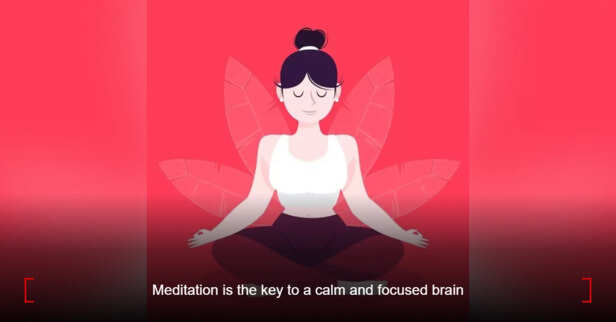
Meditation
- Before you begin work: close your eyes, take 5 slow breaths.
- Notice your body. Notice the room.
- Set a simple intention: “I will focus on writing this paragraph.”
5. Declutter your space — sometimes inner chaos starts with outer clutter
A messy desk, multiple open tabs, notifications blinking — it’s all visual noise that competes for attention. Just like crowding your schedule, crowding your workspace scatters your mind.
When you clear physical distractions, your brain gets breathing room. No formal study needed — just try it. A clearer environment often means a clearer mind.

Clearing your space
- Keep only what you need on your desk.
- Close all unnecessary tabs/apps.
- Keep a notebook or scratch paper for stray thoughts (so you don’t get pulled away).
6. Reward yourself. Build little rituals.
When we were kids, finishing homework meant outdoor play, or a snack, or roaming around. Simple. Immediate. Pleasant.
As adults, we forgot to celebrate small victories. But our brain still responds to anticipation and small rewards. Recent behavioural-cognitive work shows that structuring tasks with short breaks or small rewards boosts motivation and helps memory. (Directory of Open Access Journals)

The happiness upon finishing a task is unmatched
- After a focus block, reward yourself, maybe with a stretch, a sip of tea, or just stand up and look out of a window.
- Make a small ritual to begin work with a clean desk, soft lighting, or a short intention note.
And then one day soon, you sit down again. Same desk. Same chair. The light is softer this time—late afternoon, maybe. The phone is still there, but it doesn’t glow immediately because you turned it silent. A plant catches your eye. A glass of water waits nearby. You open the book or the document or your notebook and start working
Your mind wanders for a second—of course it does. But instead of chasing it, you pause. You breathe. And you come back.
Five minutes pass. Then ten. And slowly something shifts. Not dramatically. Not loudly. Just enough for you to notice that you’re still here. With the sentence. With the thought. With yourself.
Focus, you realise, isn’t about winning against distraction. It’s about building small moments of presence—again and again—until they start trusting you back.
And maybe that’s all we need on most days: a little quiet, a little kindness, and the patience to sit long enough for our attention to return home.